Guest story|Central Cross-Island Highway to Wuling Farm—a pure mountain line that's easy to drive
A real guest trip on Provincial Highway 8 through the Central Cross-Island mountain section, climbing elevation to overnight at Wuling Farm: winding roads but a stable van, beds and heat at camp—a classic all-mountain itinerary.
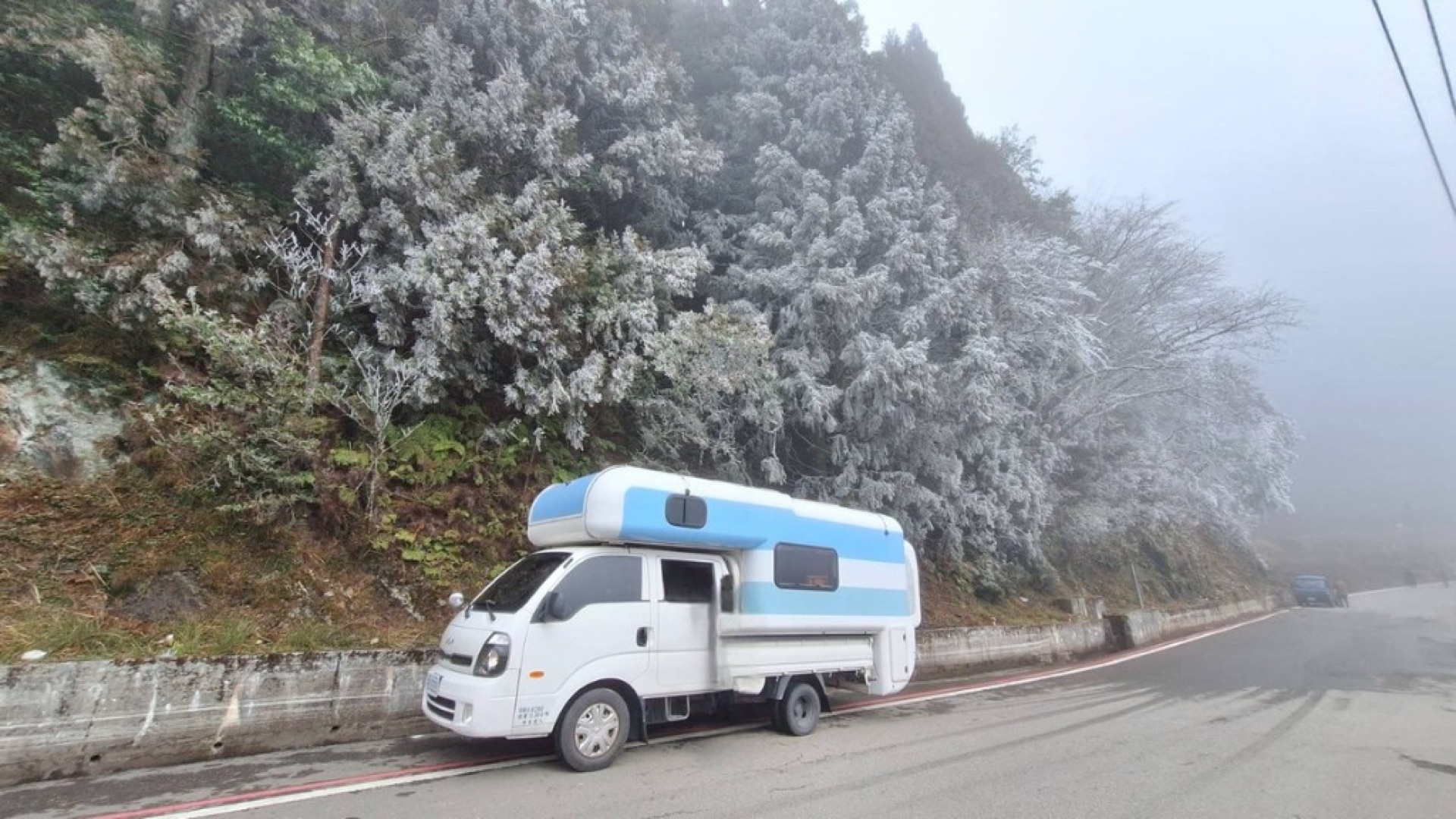
This was a trip almost entirely in the mountains: from the lowlands onto Provincial Highway 8 (Central Cross-Island), climbing through tunnels and switchbacks toward Wuling Farm—overnight at camp or approved parking, forest and mist by day, heater on at night. Many first-time mountain drivers worry whether the van is "too heavy" or corners "too scary." Experience on this line: our automatic van, drivable on a standard car license, is built for long trips and mountain highways—don't rush, follow limits, don't cut corners, and the Central Cross-Island isn't off-limits; it's the most direct way to bring bedroom and kitchen to altitude.
Why guests choose a "pure mountain line"
Coastal routes are easy and photogenic, but mountain dawn mist, forest air, and night stars pull people who want cool weather and quiet. A campervan carries two double beds, heat and AC, fridge, and a simple bathroom—in Wuling-style places with big day-night swings, you skip big tents and rain anxiety—cold? Step inside, close the door, turn on heat. This case is simple: no deliberate detour to the coast; time goes to mountain roads, the farm, and camp.
Central Cross-Island mountain section: what are you actually driving?
From a road-user view: climb the main line, bridges, tunnels, hairpins, and meeting traffic. The question isn't "can the van go up" but driving rhythm:
- Length, width, height matter: our van is roughly 3 m tall—watch tunnel clearance, branches, awnings, and signs; slow for oncoming traffic and yield when needed.
- On long downgrades, use engine braking and pulse the brakes—avoid riding the brakes until they overheat (we cover this at handover).
- Don't push unfamiliar mountain roads at night—visibility and fatigue are hardest on beginners; arrive at camp earlier.
Guests often say: "I thought driving a campervan uphill would be brutal—it felt like driving a large rental abroad, just steady." That's the point: mountain roads aren't the enemy; route planning and timing are.
Wuling Farm: once you arrive, let the "mobile cabin" take over
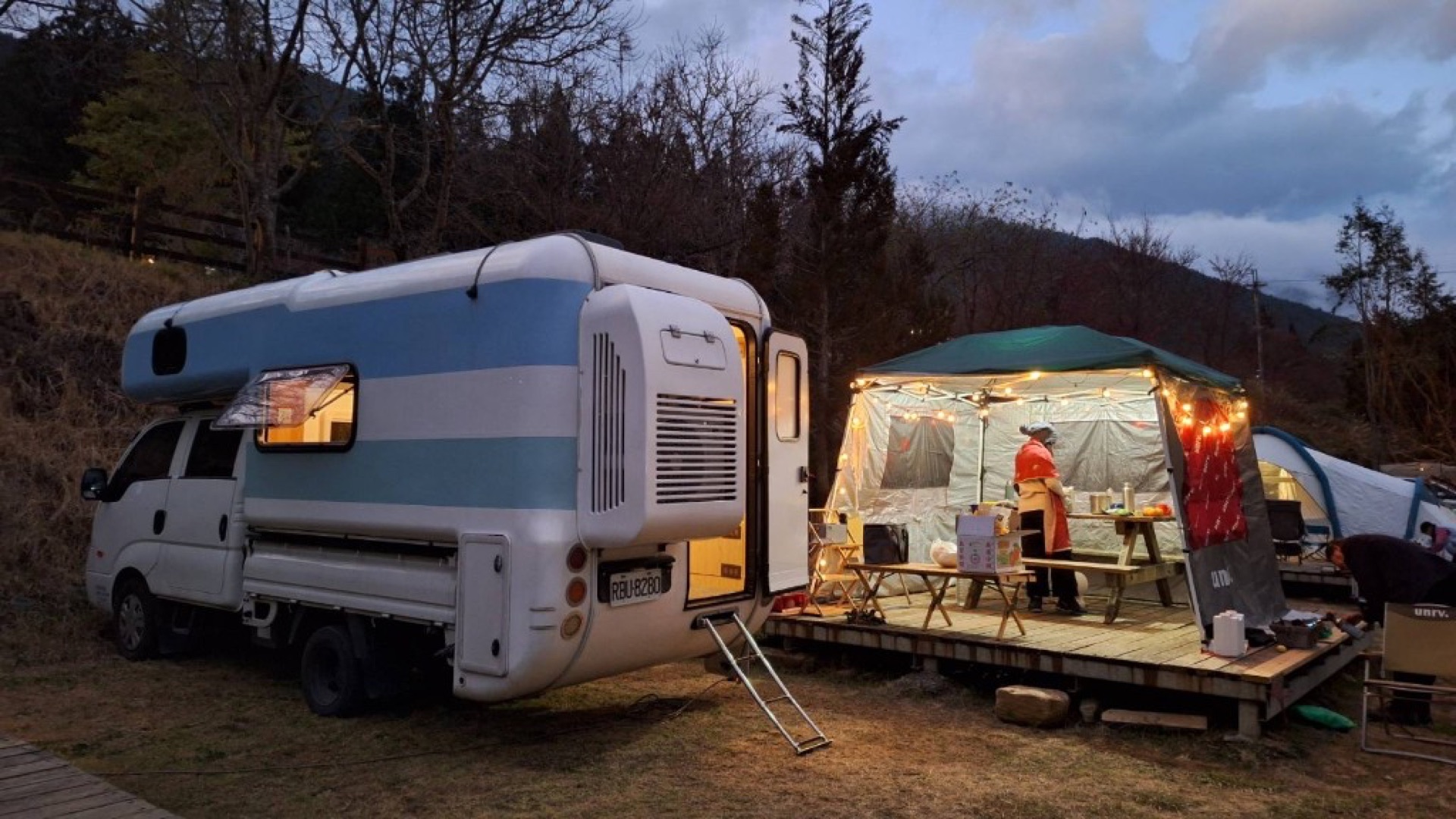
Inside the farm or nearby approved camp, the van shifts from transport to living room + kitchen + bedroom: connect shore power and water if allowed; pull out table, chairs, and small lights—blue hour is great for photos and simple cooking. Kids add layers, adults serve noodles—no one has to queue in the wind for shared facilities. That's why people still rent for pure mountain lines: stay comfortably inside the scenery, not fight the scenery.
How this relates to our other Wuling article
For more atmosphere and the same mountain photos, continue with Wuling Farm|Mountain roads, rime camp, and campervan heat; this piece focuses on the Central Cross-Island + all-mountain case and the mental hurdle—read both together.
Next steps
After confirming month, party size, door-to-door delivery, and planned mountain days, review power, tanks, and driving notes in our campervan how-to guide, check beds and height on rates & vehicle info, then book now to discuss route and dates.
Wuling Farm|Mountain roads, rime camp & campervan heat
Driving a campervan to Wuling: mountain roads and rime forest, deck lights and cooking at camp—in highland weather, onboard heat and AC make the trip easier.
Read article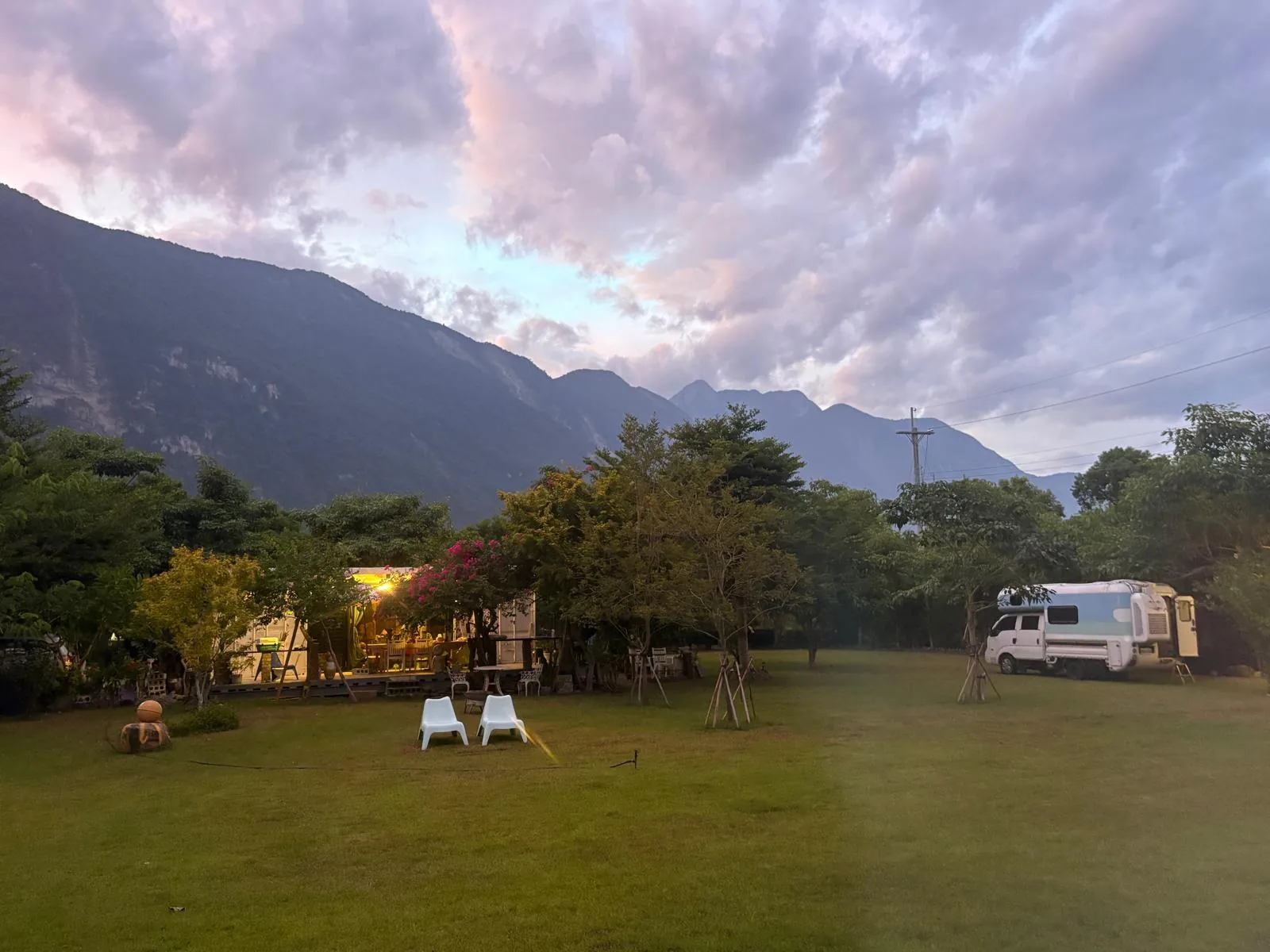
A British Traveler from Australia Discovers Taiwan by Campervan
A British traveler based in Australia takes a Taiwan campervan road trip from Taoyuan Airport to Yehliu, Yilan, Qingshui Cliff, Chongde, Taroko Gorge, the Central Cross-Island Highway, Wuling and Sun Moon Lake, then visits Taipei 101.
Read article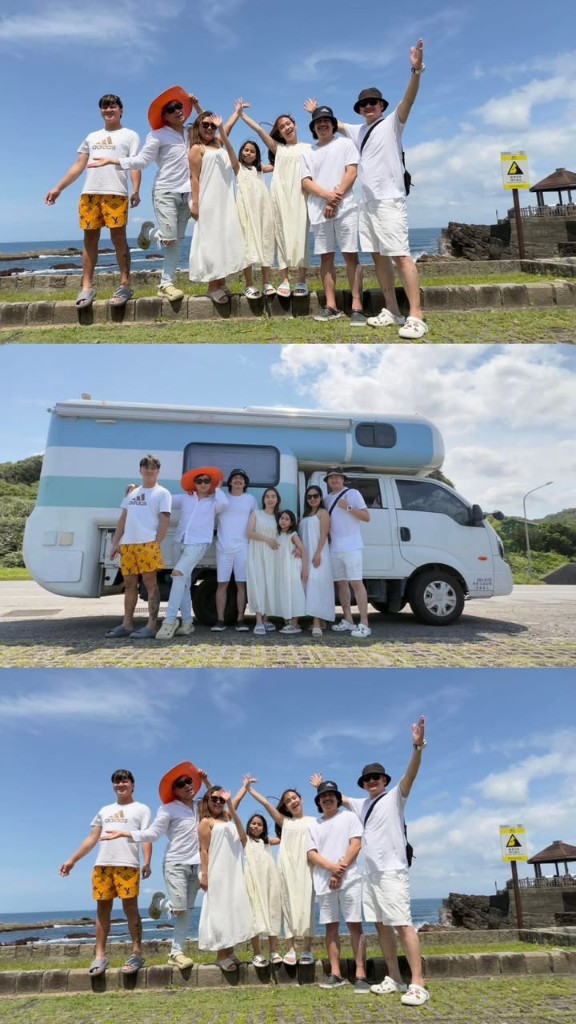
Vietnamese friends coastal overnight|Young workers in Taiwan & real van-camping photos
Young friends from Vietnam working in Taiwan meet on the North Coast for an overnight: white-shirt group shot, blue-white campervan as mobile base—weekend after work as loud, photogenic coastal van-camping.
Read articleWant to plan a trip like this?
Tell us your dates, group size, direction and whether you need delivery—we’ll help confirm rental options and pacing.